

Designing With Nature: Regenerative And Mātauranga Māori Pathways To Resilient Stormwater And Community Wellbeing.
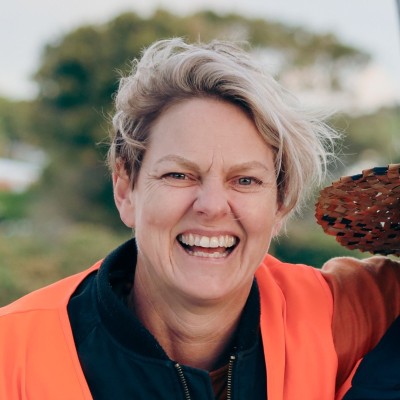
Sara Zwart
Sara Zwart is the Regeneration Manager Blue-green Networks within Auckland Council’s Healthy Waters and Flood Resilience team. She is leading Nga Wairau flood resilience project on the North Shore and supporting regenerative outcomes across a programme of blue-green networks throughout Tamaki Makaurau.
With over 20 years of experience spanning architecture, landscape architecture, and urban design, Sara has led transformative stormwater projects in collaboration with diverse partners. These include Te Whakaoranga o te Puhinui (Puhinui Stream regeneration) and Northcote’s Te Ara Awataha greenway, delivered in her former role as Principal Regenerative Design Lead at the Auckland Urban Design Office.
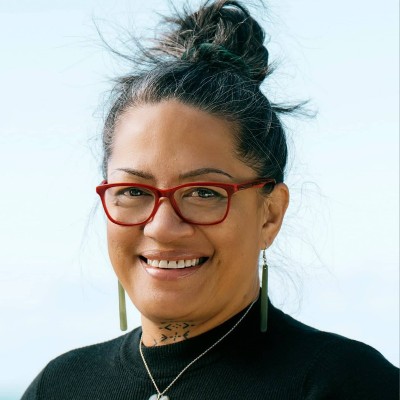
Lucy Tukua
Lucy Tukua is the Technical Director Regenerative Outcomes for Mott MacDonald Aotearoa. She has whakapapa connections to Tamaki Makaurau, raised in South Auckland and Is a passionate advocate continually serving her whanau, hapu and lwi in many operational and governance spheres.
Over a decade her regeneration leadership across urban design, large scale developments, transport, landscape and architecture has enabled a more holistic approach bringing a place sourced, culture led, community fed shift to the way in which we codesign, collaborate and wananga. The Te Ara Tukuluku Regeneration project embeds a deep cultural practice to heal, curate and nourish to uplift the maun and mana of a reclaimed and highly contaminated site.
Flood Defences And National Consistency – The Stormwater Check-In
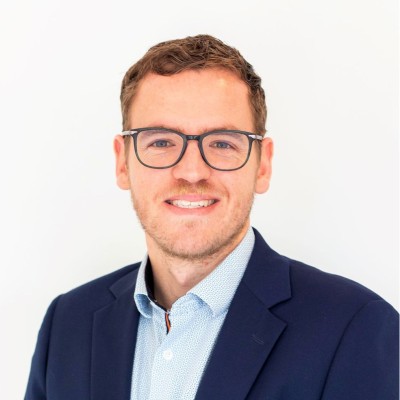
Ryan Orr
Ryan has led stopbank projects for over a decade across New Zealand, including Christchurch, the Bay of Plenty, and the West Coast His focus is on delivering designs that are practical. affordable, and constructable, balancing technical performance with real-world delivery constraints.

Roanna Purcaru
Roanna has worked extensively on projects in Christchurch and is passionate about the multifunctional role of stopbanks – not only as infrastructure assets, but as contributors to community wellbeing and environmental outcomes. She was recently recognised as Water New Zealand’s Young Water Professional of the Vear.
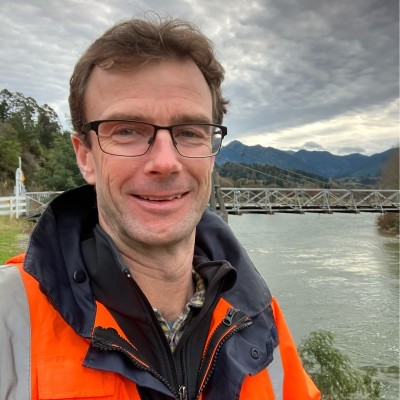
Shaun McCracken
Shaun McCracken is a flood and river management professional and the river engineering lead at Environment Canterbury (ECan), with extensive experience in the planning, design, and management of need protection infrastructure across Canterbury. His work spans stopbanks, river control schemes, and catchment-scale flood risk management. with a strong focus on public safety, asset performance, and long-term resilience. Shaun1s actively involved in cross-sector discussions on improving consistency and best practice for stopbanks, bringing a regional authority perspective that bridges technical delivery, governance, and community outcomes.
Too Much Water, Too Much Data: A Personas-Based Look At Flood Data Use

Fiona Macdonald
Fiona is Manager – Flood Risk in Te Āra Mātai: the Intelligence Unit, of Auckland Council’s Healthy Waters and Flood Resilience. In this role she seeks to understand Auckland’s flood risk at a regional level, including the effects of climate change, and to provide accurate information to decision makers to enhance Auckland’s flood resilience.
National Soakage Design Guide Draft – Open for Feedback
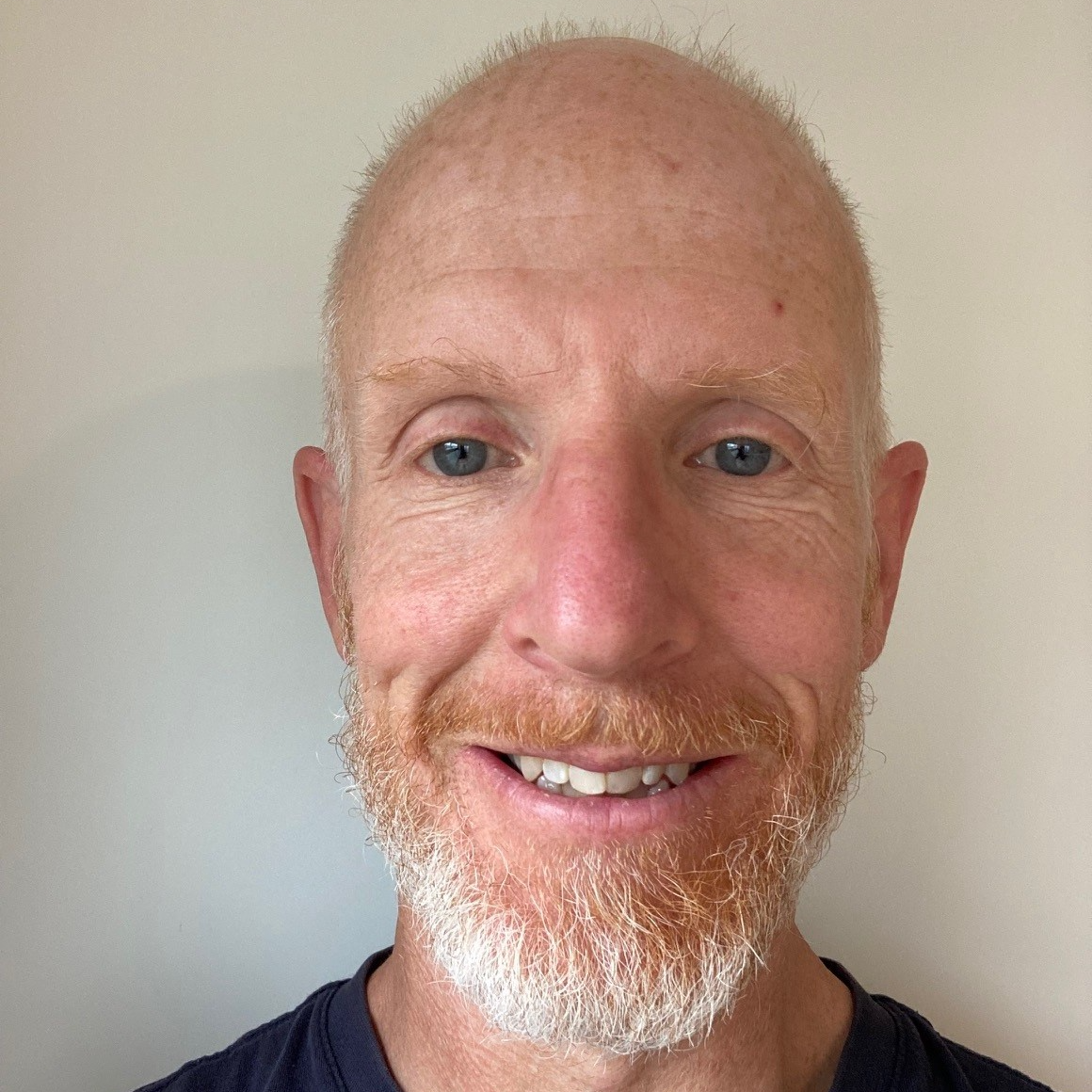
Tim Strang
Tim is a Principal Engineer at Wellington Water, working within the Design Team. Tim has had 25 years covering a variety of roles across consultancy and local authority organisations. Tim has worked on soakage designs regularly throughout his career, including developing many of the design charts that are still used in the current GD07 design manual.
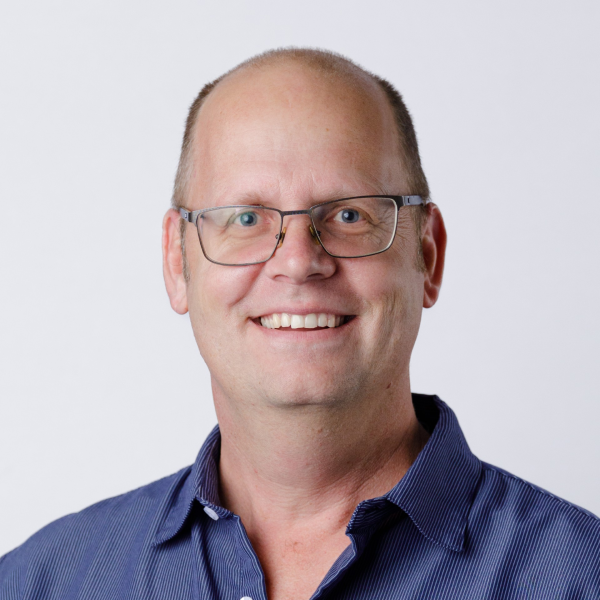
Matt Packard
Matt is an Associated Geotechnical Engineer, CMEngNZ (CPEng), based in Tauranga currently working for ENGEO Limited.
Matt has over 24 years professional consultancy experience. He is responsible for leading key projects and providing technical advice.
Matt has an extensive range of geotechnical experience, specialising in large public and private infrastructure projects, slope stability, compressible soils, liquefaction, lateral spreading, and the design of complex temporary and permanent stormwater and retaining structures.
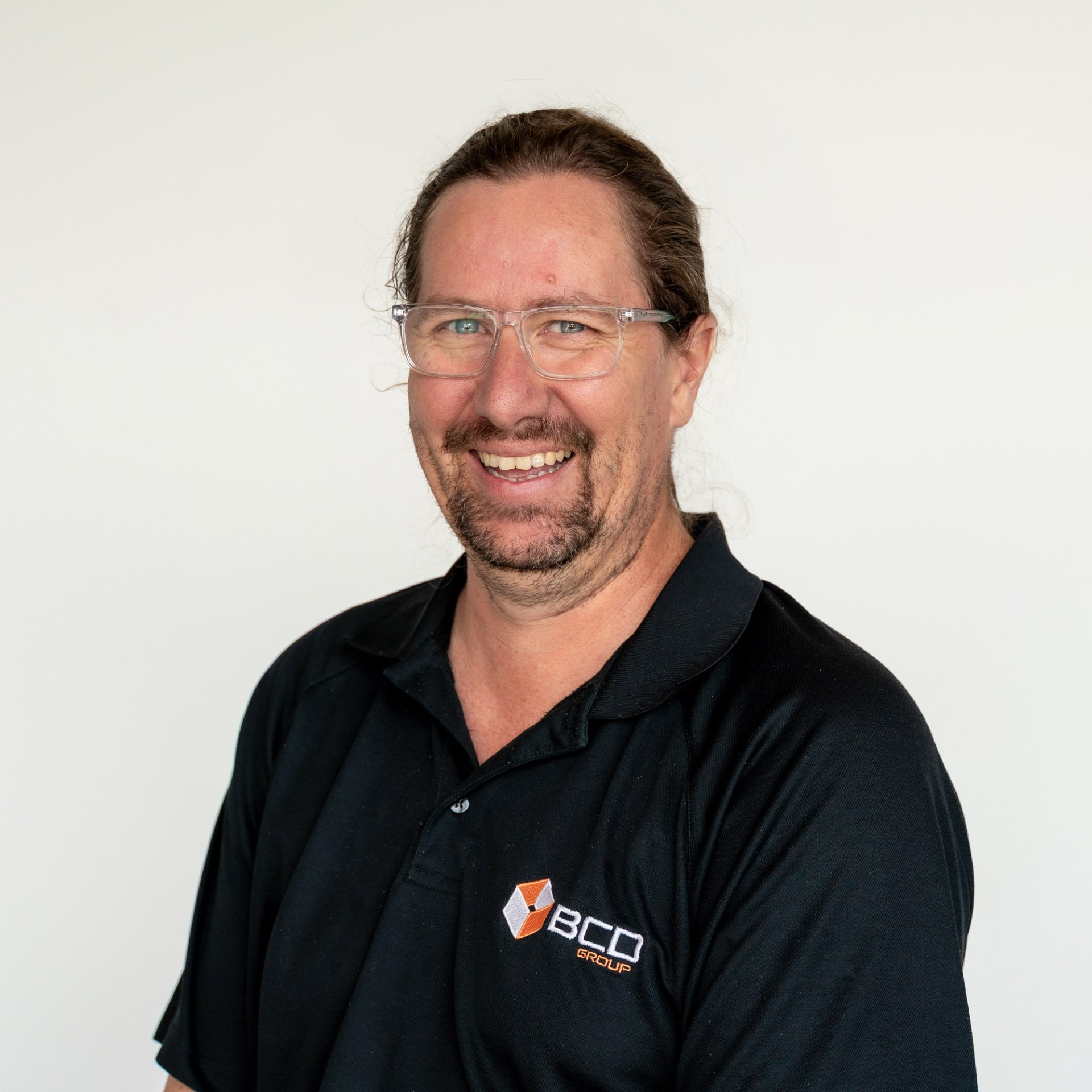
Mike Trigger
Mike is the Environmental and Infrastructure Manager at BCD Group, and a practising geotechnical engineer with extensive experience in stormwater management, on-site disposal systems and land development across New Zealand. Mike first became interested in soakage design practices when working as a development engineer for a council with a number or underperforming soakage devices in vested assets.
He works closely with councils, developers and geotechnical specialists to address complex soakage and infiltration challenges, particularly in areas with variable soils, groundwater constraints and intensifying development pressures. Mike has been actively involved in national discussions on improving soak pit testing and design methodologies, with a focus on hydraulic performance, long-term reliability and alignment between consenting frameworks. He brings a practical, evidence-based approach that combines field experience with a strong understanding of regulatory and hydrological principles.
Bodo Hellberg
Bodo is an Infrastructure Standards Specialist at Tauranga City Council and a civil engineer with more than 20 years’ experience in stormwater, drainage and water resources engineering across Germany and New Zealand.
He leads the development and maintenance of the Infrastructure Development Code (IDC) and has authored and co-authored key national and regional stormwater guidelines, including GD01. His work spans hydrological modelling, infrastructure design, consent assessment and compliance, and technical standards development, with a strong focus on practical implementation.
Bodo has extensive experience in soakage and infiltration design, testing methodologies and regulatory alignment. He works closely with councils, consultants and industry to address challenges associated with variable soil conditions, groundwater constraints and increasing urban intensification. His approach combines field experience, modelling expertise and standards development to improve reliability, clarity and long-term performance of soakage systems.
He is an active contributor to national stormwater working groups and regularly presents at industry conferences and training events.