

Edward Ashby
Edward is the CEO of Te Kawerau Iwi Tiaki Trust. He has 15 years’ experience in iwi cultural resource management, strategy, executive leadership, and governance. His experience includes supporting the Te Kawerau a Maki Treaty Settlement claim and the recent Deed of Acknowledgement over the Waitakere Ranges Heritage Area.
Linda Clark
Linda Clark is a Wellington based barrister and specialist in public law and civil litigation. She regularly advises local councils and council owned organisations. Formerly a litigation and public law partner at Dentons Kensington Swan, Linda
is also an experienced investigator and reviewer, working on inquiries for both public sector and private sector clients. She also assists clients who find themselves the subject of an inquiry or review.
Before Linda launched her legal career she was an award winning political journalist and broadcaster.
Raymond Chang
Raymond is a freshwater and stormwater specialist with 19 years’ experience leading environmental science across New Zealand’s largest infrastructure projects. He has provided expert evidence on ecological and water quality matters, and recently led development of the national Building a Business Case for Nature toolkit for the Sustainable Business Council and Ministry for the Environment. Raymond works at the interface of nature-related risk, investment decision-making, and practical infrastructure design — and is a past Brokerage Director for Access to Experts (A2E), connecting communities with freshwater expertise nationwide.
Councillor Richard Hills
Richard Hills is the Chair of Auckland Council’s Policy, Planning and Development Committee and Auckland Councillor for North Shore Ward. Richard led Te Tāruke ā Tāwhiri – Auckland’s Climate Plan, Auckland’s Water Strategy and the Future Development Strategy and is currently shepherding work around the planning blueprint for Auckland including how we respond to hazards like flooding. He has a massive passion for Tāmaki Makaurau, investing in people, the environment, and planning carefully for future generations.
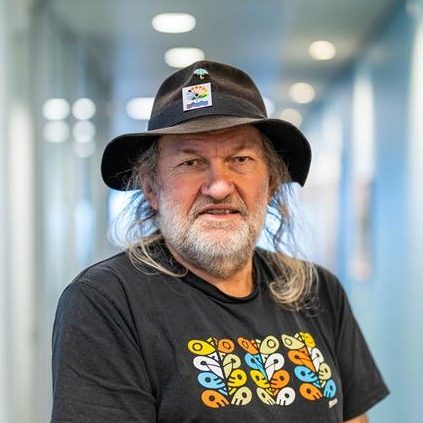
Craig Mcilroy
With over 35 years of experience in local government and the water sector in Aotearoa New Zealand, Craig McIlroy is a highly respected executive leader known for transforming water services to deliver outstanding economic, environmental, social and cultural outcomes.
Craig is the General Manager, Healthy Waters and Flood resilience at Auckland Council. He is totally committed to a whole-of team approach that is outcome focused and supports the individual strengths of team members. Craig continues to drive innovation and collaboration across all aspects of the business and champions best-practice asset management. His leadership has been instrumental in initiatives such as the award-winning SafeSwim water quality tool, reflecting his commitment to equity, sustainability, and partnership with Iwi/Māori and communities.
Craig’s visionary approach continues to shape the future of water infrastructure, empowering the next generation of sector leaders and setting benchmarks for excellence in public service.
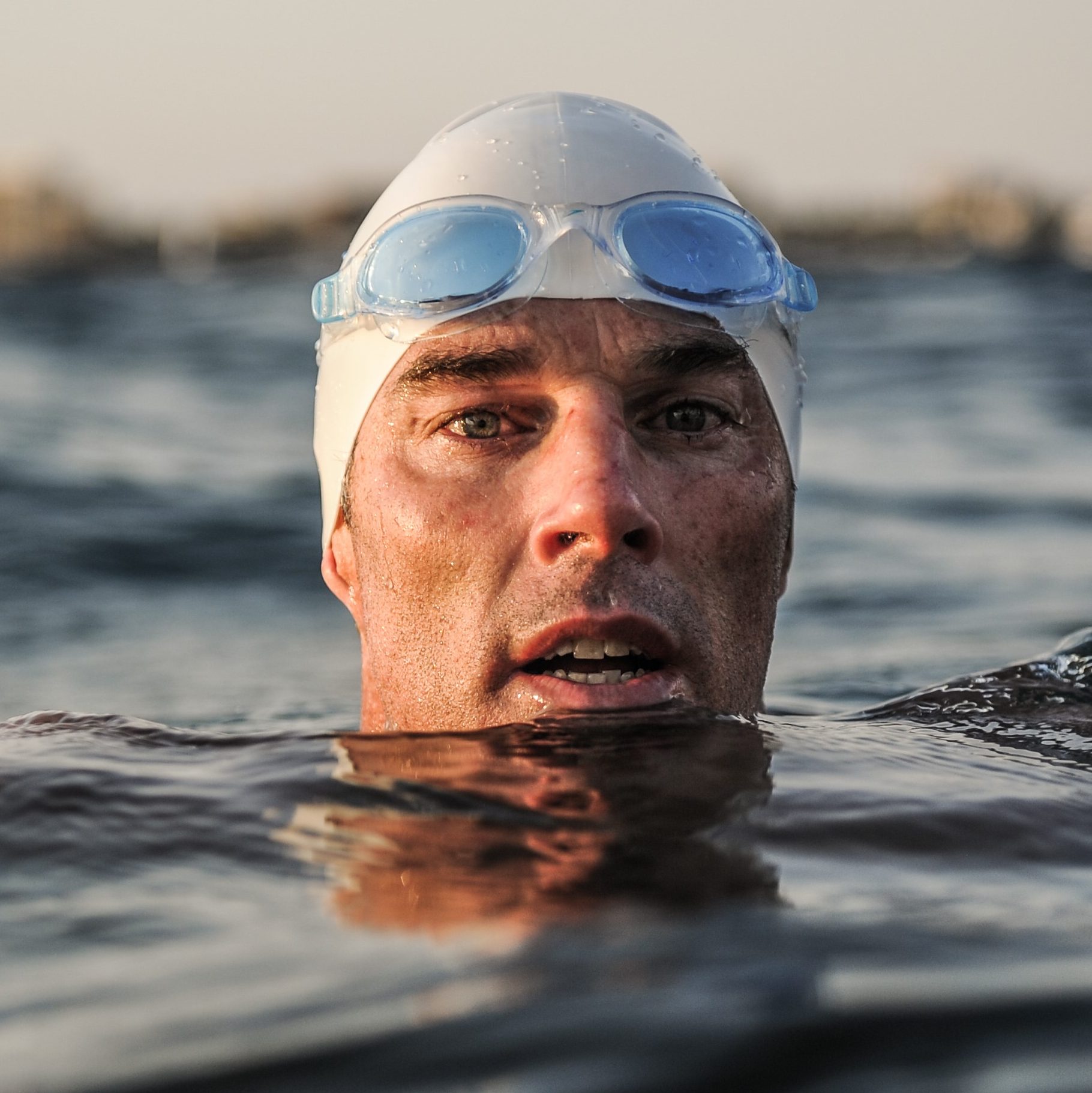
Lewis Pugh
Lewis Pugh is an endurance swimmer and ocean advocate.
For nearly forty years, he has pioneered swims in some of the most fragile and threatened environments – from the North Pole to Antarctica, and from the Himalayas to the great rivers of the world.
Each swim is undertaken to draw attention to places that are changing rapidly, and to help secure their future.
To support this work, he founded the Lewis Pugh Foundation to turn awareness into lasting protection. The Foundation works with governments, scientists and local communities, and has helped protect more than 3.5 million km² of ocean – an area larger than Western Europe.
Lewis has served as UNEP Patron of the Oceans since 2013. In this role, he has been a leading voice for the world’s oceans and rivers, and for the wildlife and people that depend on them.
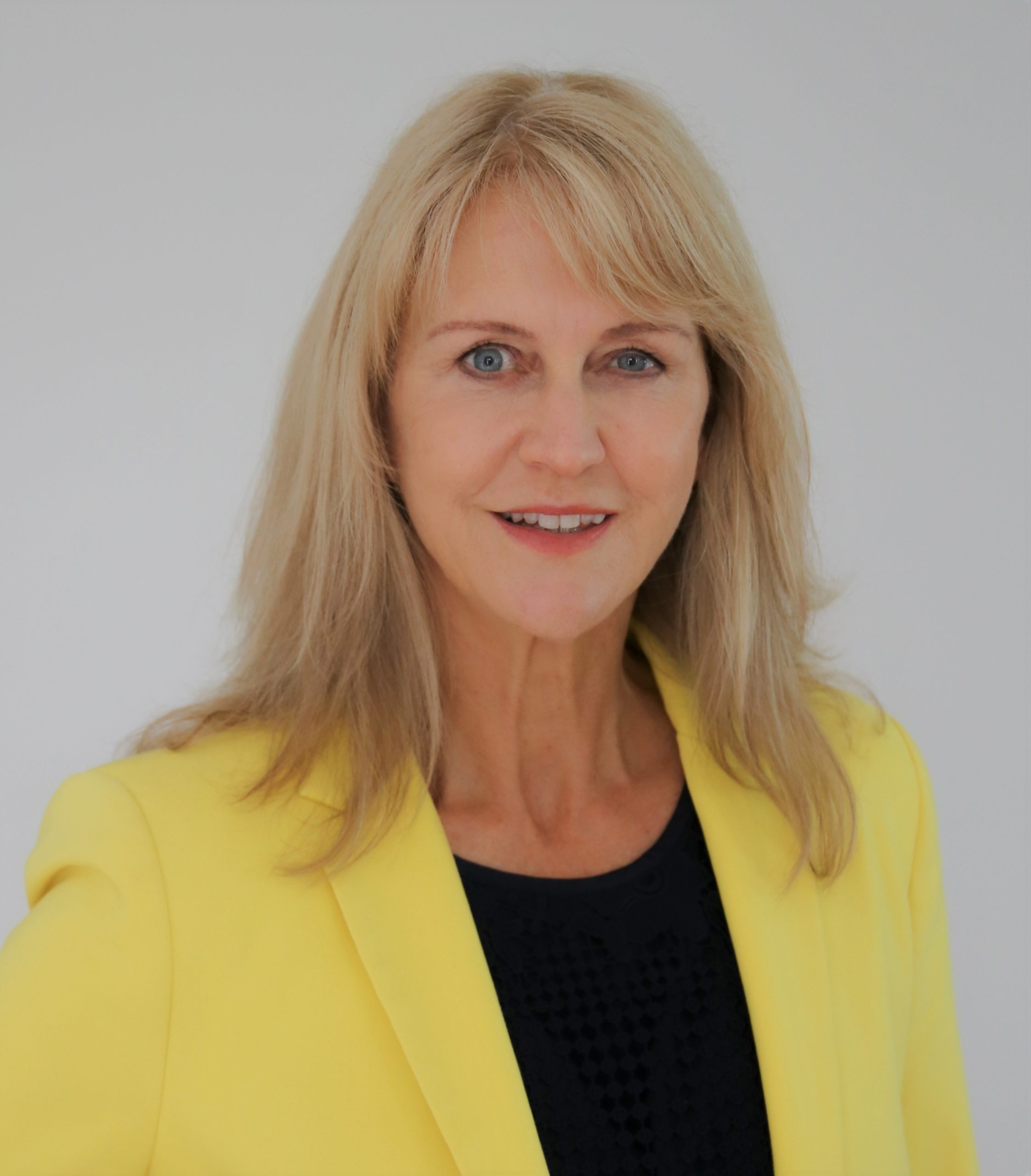
Vicki Watson
Vicki is the Chief Executive of The Aotearoa Circle which started its work in 2019. The Circle convenes public and private sector partners to tackle complex climate and nature challenges that threaten New Zealand’s future economic prosperity. Vicki and the Circle team have grown a significant coalition of the willing, and in collaboration with its partners, have completed over 25 major workstreams across agriculture, energy, seafood, tourism, and transport sectors. Vicki’s personal vision – Healthy People, Healthy Planet, Healthy Economy – aligns closely with The Circle’s mission, and she is deeply committed to achieving the vision of its founder, Sir Rob Fenwick.
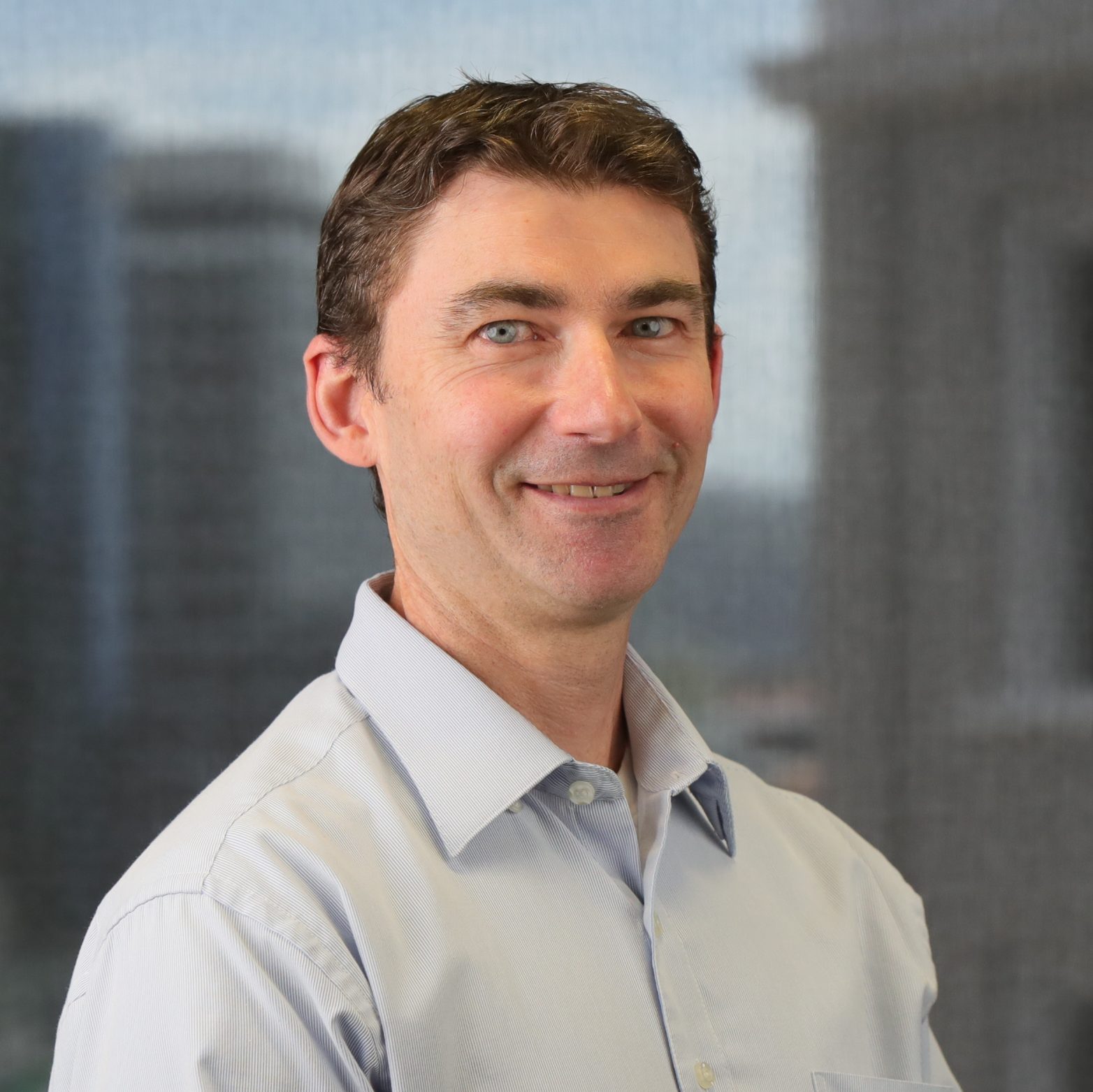
Jeff Whitty
Jeff trained as a water resources engineer providing consultancy services in Canada, the U.S. and New Zealand where his experience spans design, project management, policy and governance. As a Principal Adviser for Te Waihanga – the New Zealand Infrastructure Commission, Jeff develops the Commission’s advice on water policy alongside other sectors.
Panels
Future of SW Governance Panel
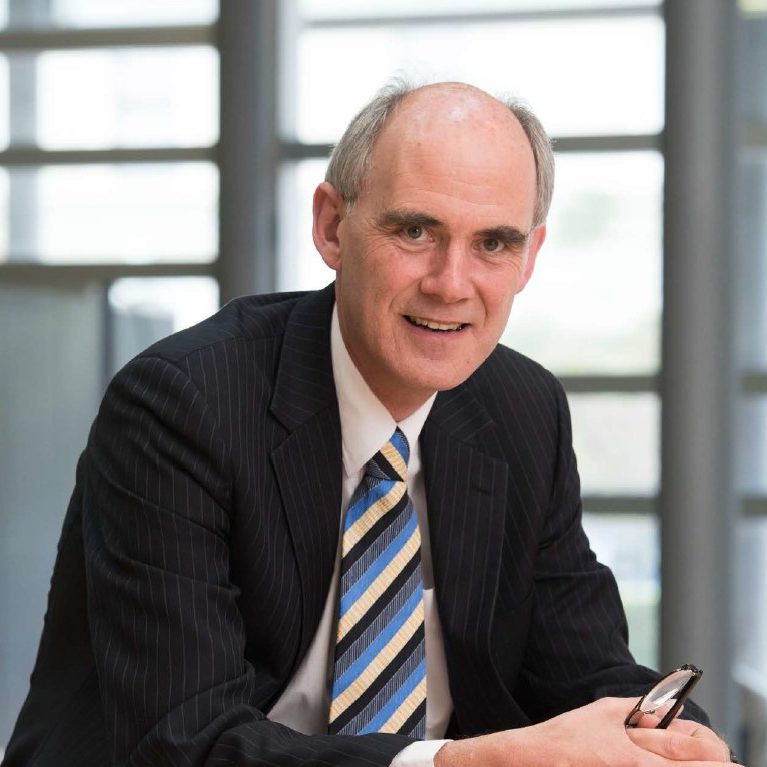
Jonathan Boston
Jonathan Boston, ONZM, is Emeritus Professor of Public Policy in the School of Government at Te Herenga Waka – Victoria University of Wellington. His research interests include climate change policy and anticipatory governance. Recent books include A Radically Different Planet: Preparing for Climate Change (BWB, 2024).
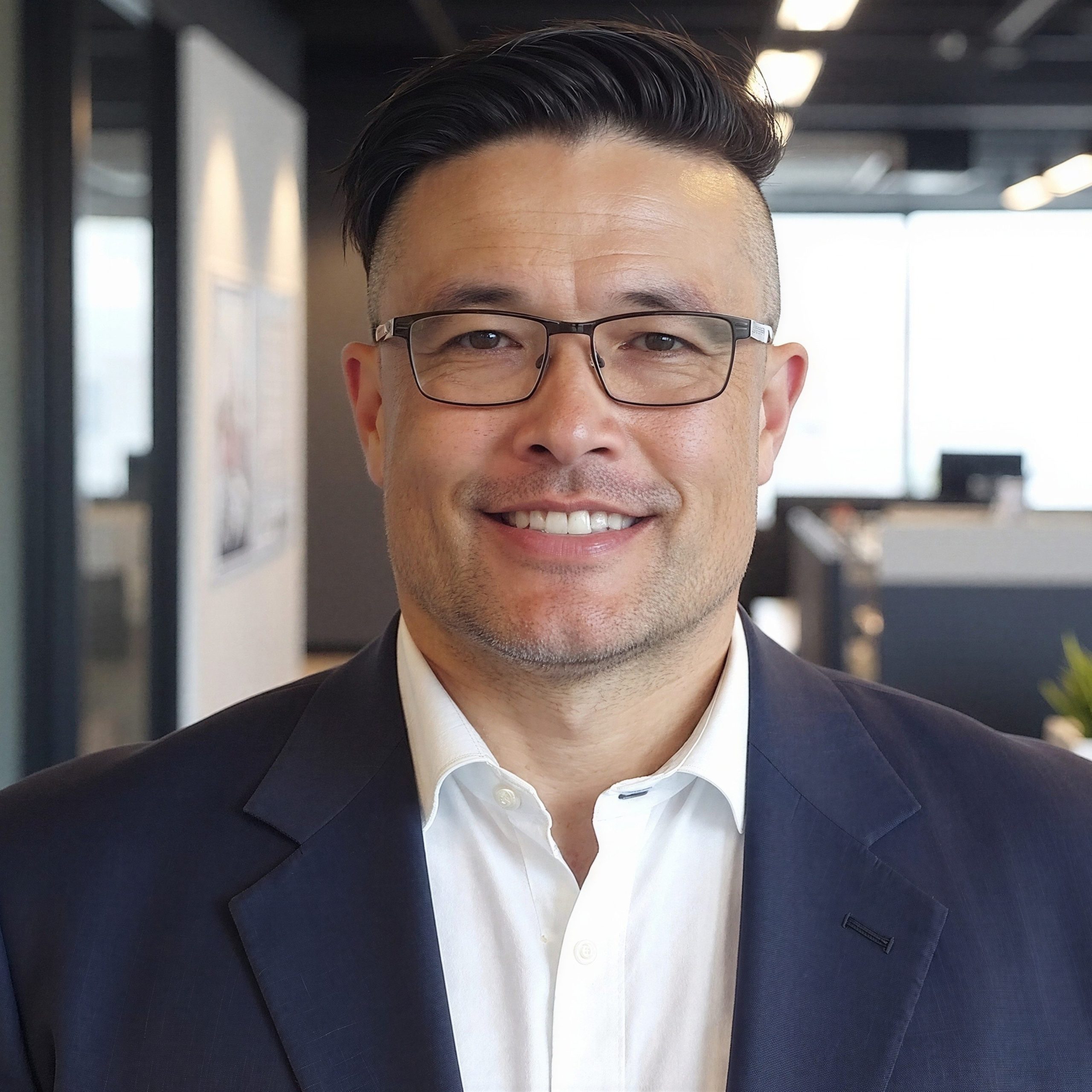
Andrew Chin
Andrew Chin is a Fellow of Engineering New Zealand with over 20 years’ experience in environmental and water infrastructure. As Head of Healthy Waters Strategic Initiatives at Auckland Council, he plays a key role in delivering long‑term water outcomes for Tāmaki Makaurau.
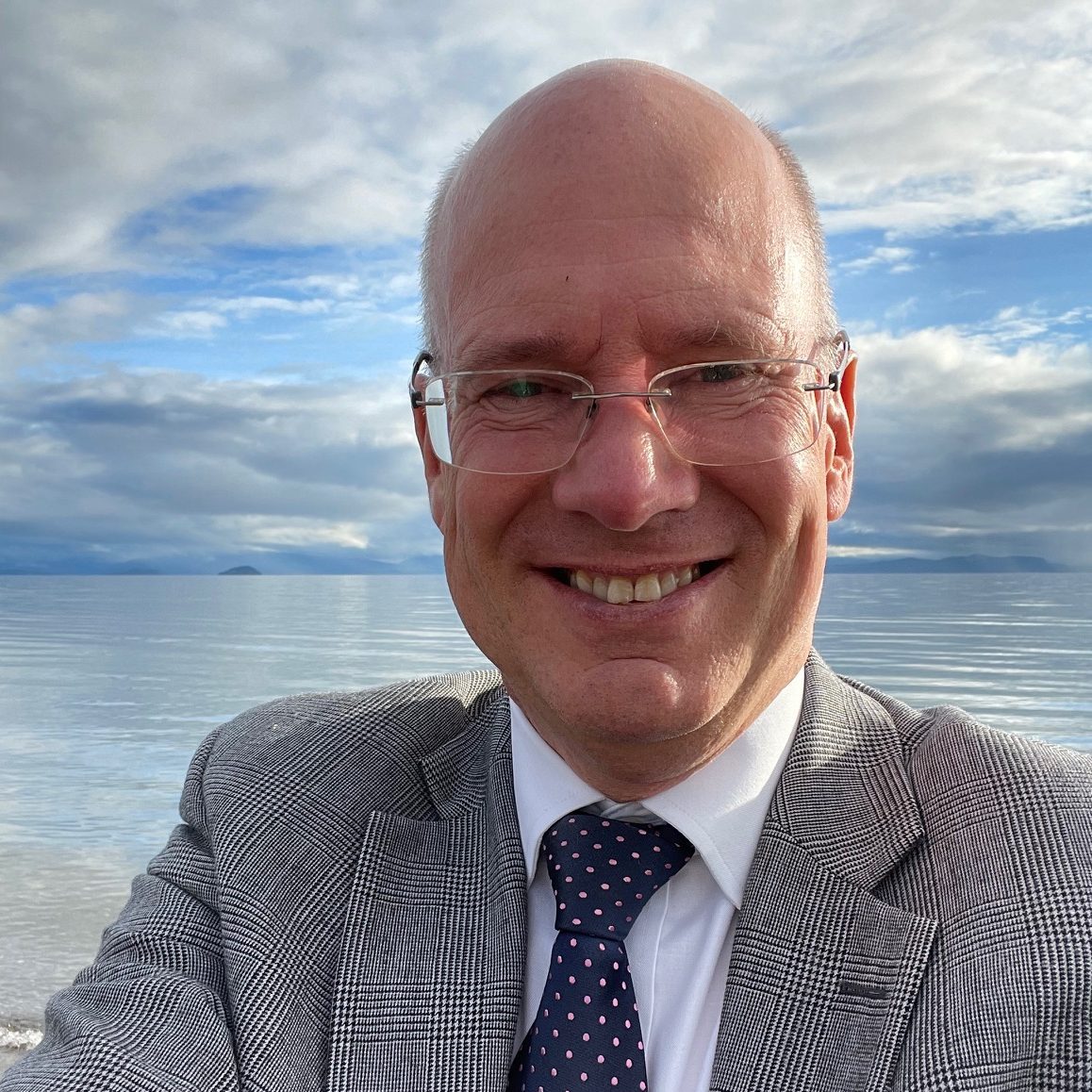
Jon Lamonte
Jon is a director of Waikato Waters and Tiaki Wai Metro Water, two new council‑controlled organisations that will begin water and wastewater service operations on 1 July under the Government’s Local Water Done Well policy.
Jon has significant leadership experience across water services, transport and large‑scale infrastructure. His background includes chief executive roles at Watercare, the Auckland/Northland Water Services Entity, Sydney Metro, and Transport for Greater Manchester. He is a Fellow of the Chartered Institute of Logistics and Transport and a former Air Vice‑Marshal in the Royal Air Force, with a career spanning complex operational, governance and public‑service environments.
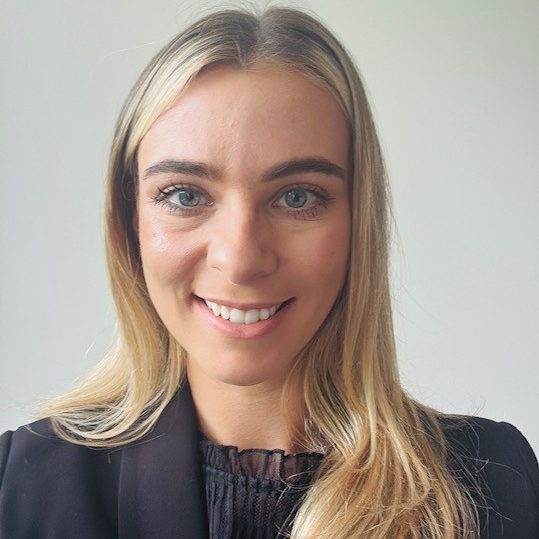
Helen Mahoney
Helen Mahoney joined LGFA’s sustainability team in November 2024 as Senior Manager Sustainable Finance. Helen has a background in corporate sustainability and specialises in climate change risk and sustainable finance and has experience in assisting businesses to embed sustainability into decision-making and greenhouse gas accounting. Prior to joining LGFA, Helen worked at Auckland Council in various roles within the Chief Sustainability Office and Treasury unit, managing the council group’s sustainable finance programme and climate-risk disclosures and was involved in the development of Te Tāruke-ā-Tāwhiri: Auckland’s climate plan.
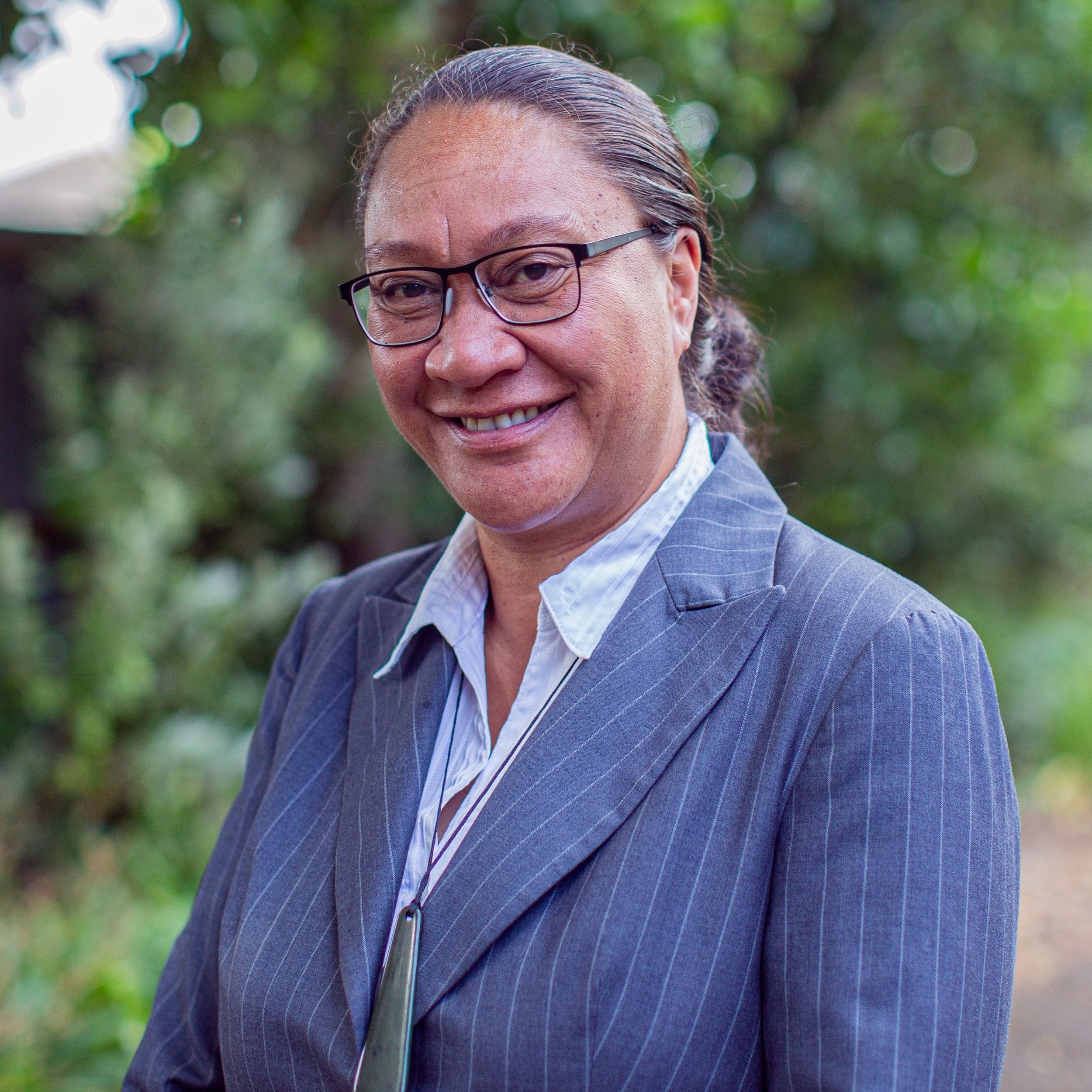
Kowhai Olsen
Kowhai is born, raised and living testament to one of the oldest continuously occupied Maori Villages in Taamaki Makaurau – Ihumaatao Papakainga.
Intergenerationally raised on the histories of Te Waiohua iwi of Auckland, the cultural landscapes, grievances and navigational pathways forward for Maori in Urbanised adaptation.
She brings to our conference the complex lens of a kaitiaki, due diligence, Te Mana o te wai.
